Build Your Perfect
Sleep Cave
Your apartment bedroom can become a dark, quiet, cool sanctuary — even on a busy street, with a strict lease, and without spending a fortune. We research the upgrades that actually move the needle on sleep quality.
Featured Products
Top picks from each of our six sleep cave categories.
Affiliate Disclosure: SleepBurrow participates in the Amazon Associates program. When you click a product link and make a purchase, we may earn a small commission at no extra cost to you. This helps us keep our guides free and up to date. Read our full disclosure.

NICETOWN Halloween Pitch Black Solid Thermal Insulated Grommet Blackout Curtains, 2 Panels
Pitch-black triple-weave panels with a classic grommet top — NICETOWN's thermal-insulated construction blocks virtually all outside light while adding a measurable layer of heat retention for urban apartments.
View on Amazon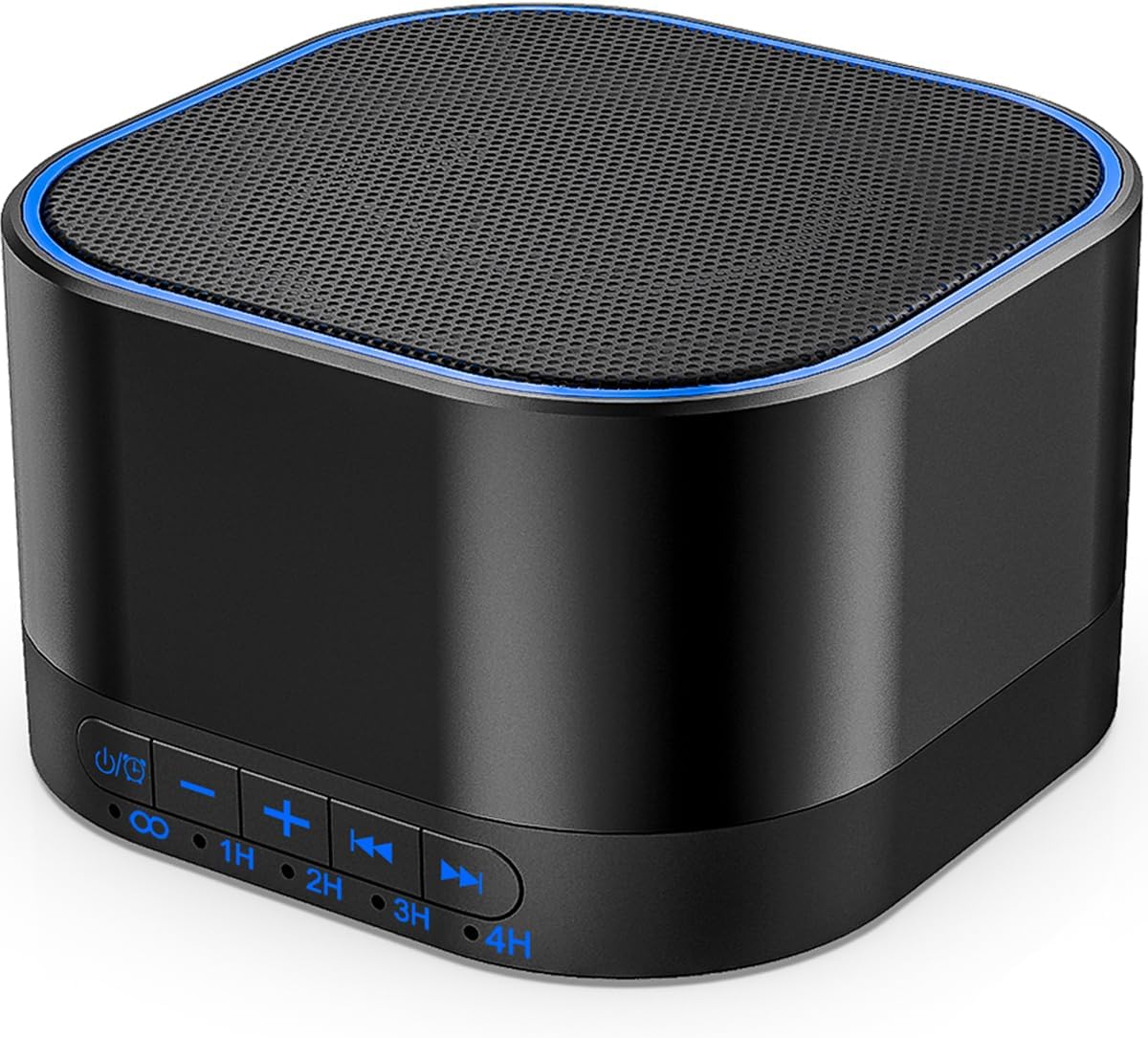
Magicteam Sound White Noise Machine, 20 Non-Looping Sounds, 32 Volume Levels
Twenty non-looping sound options and 32 volume steps packed into an affordable, compact unit — a reliable all-rounder that covers the spectrum from white to brown noise for apartment masking.
View on Amazon
yescool Weighted Blanket 20 lbs 60"x80" Grey, Cooling with Premium Glass Beads
A 20 lb queen-sized blanket with premium glass bead fill and a breathable construction that balances deep pressure stimulation with reasonable temperature regulation for most sleepers.
View on Amazon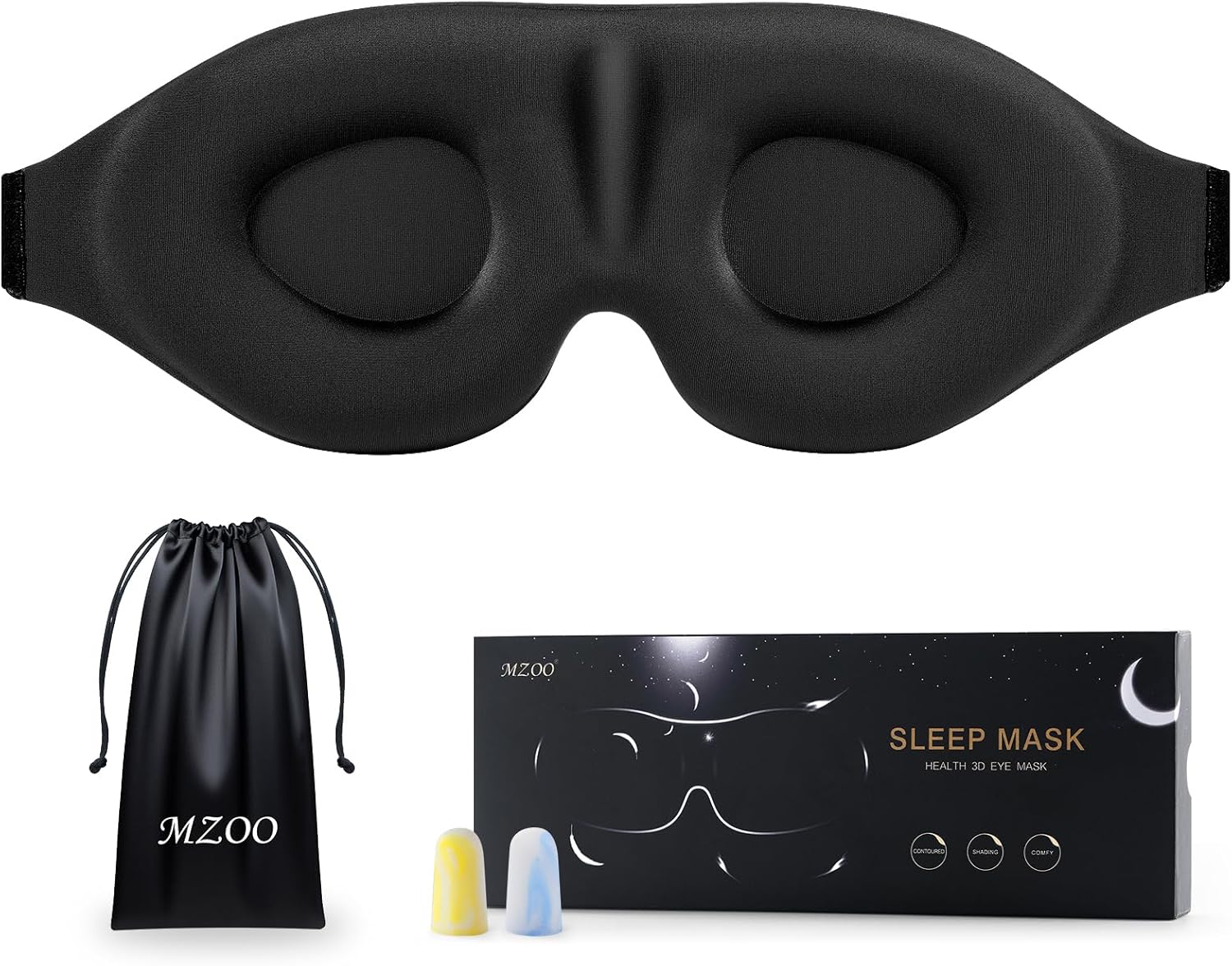
MZOO Luxury Sleep Eye Mask 3D Zero Eye Pressure, Light Blocking, Black
Deep molded eye cups that sit completely clear of the eyelids — MZOO's contoured design creates genuine darkness without any fabric touching eyes, making it comfortable for REM sleep and lash extensions alike.
View on Amazon
Utopia Bedding Down Alternative Pillows Queen Size Set of 2, Soft Cooling, White
A two-pack of down alternative queen pillows with a cooling-oriented fill construction — Utopia's combination of accessibility, availability, and consistent quality makes this the strongest starting point for hot sleepers replacing standard pillows.
View on Amazon
Loop Quiet 2 Ear Plugs, Reusable Noise-Reducing, 24dB SNR, Flexible Fit
Loop's second-generation Quiet earplug refines the reusable silicone formula with a 24dB SNR and a flexible fit system that stays in place through the night — the best balance of comfort, sustainability, and noise reduction for most urban sleepers.
View on AmazonWhat Is a Sleep Cave — And Why Apartment Dwellers Need One
A sleep cave is a bedroom environment deliberately optimized for the three core conditions human sleep evolved to require: near-total darkness, acoustic calm, and a cool ambient temperature. These are the exact conditions that apartment living tends to eliminate.
Urban light pollution is a genuine public health issue. Research shows that sleeping with artificial light exposure is associated with higher rates of obesity, depression, and metabolic dysfunction. In a city apartment, light from the street can register at 10–50 lux even with blinds drawn — enough to measurably suppress melatonin production and shift your circadian rhythm.
Noise compounds the problem in ways most people underestimate. Even low-level noise that does not fully wake you — the distant siren, the elevator, the 3 AM delivery truck — can fragment sleep architecture and reduce the proportion of restorative slow-wave and REM sleep you get each night.
Temperature is the final variable and often the most overlooked. Your core body temperature needs to drop by 1–2°F to initiate sleep. When your apartment bedroom retains the heat of the day, that drop is delayed or prevented entirely. Cooling pillows, breathable bedding, and strategic airflow can compensate for what your AC system cannot.
| Factor | Standard Apartment Bedroom | Sleep Cave Setup |
|---|---|---|
| Light Control | Thin blinds let in 10–50 lux of street light | Blackout curtains + mask → near 0 lux |
| Noise Level | 45–65 dB from traffic, neighbors, building noise | White noise masking → perceived quiet |
| Temperature | 72–76°F room stays warm after sunset | 65–68°F with cooling bedding and airflow |
| Air Quality | Stale recirculated building air | Clean filtered air, 40–60% humidity |
| Ambiance | Bright overhead lighting until bedtime | Dim amber light 90 min before sleep |
The Sleep Cave Hierarchy
Darkness
Blackout curtains, sleep masks, blackout film
Quiet
White noise machines, earplugs, door seals
Cool Temperature
Cooling pillows, breathable sheets, fans
Clean Air
Air purifiers, humidity control, fresh bedding
Wind-Down
Weighted blankets, dim lamps, aromatherapy
How to Build Your Sleep Cave: A 3-Step Framework
Every sleep cave upgrade fits into one of three categories. Tackle them in order for the fastest results.
Block the Light
Light is the number-one disruptor of melatonin production. Blackout curtains seal your window frame; a contoured sleep mask handles residual glow. Combined, they create the darkness your circadian rhythm expects.
- Blackout curtains
- Sleep masks
- Blackout stickers
Kill the Noise
You cannot make your city quiet, but you can make your bedroom effectively quiet. White noise machines mask the acoustic contrast that causes micro-arousals. Door draft stoppers seal the gap that lets hallway noise in.
- White noise machines
- Earplugs
- Draft stoppers
Cool the Climate
Your body needs to drop core temperature to enter and maintain deep sleep. Cooling pillows and breathable bedding dissipate body heat at the source — compensating for the AC shortcomings of most apartment HVAC systems.
- Cooling pillows
- Bamboo sheets
- Desk fans
Pro Tip: Start with darkness first — it has the highest ROI on sleep quality. Even a $20 blackout curtain will produce more measurable improvement than a $200 smart alarm system.
Shop by Your Biggest Sleep Problem
Not sure where to start? Find your main frustration below.
Too Much Light
Street lamps, early sunrises, neighbor windows, and hallway glow all suppress melatonin and fragment your sleep.
Too Much Noise
Traffic rumble, upstairs neighbors, hallway conversations, and distant sirens conspire to interrupt your deepest sleep stages.
Too Hot at Night
Poor AC, south-facing windows, radiators from below, and synthetic bedding prevent the core temperature drop sleep requires.
Can't Wind Down
Racing thoughts, blue light exposure, and no pre-sleep ritual keep cortisol elevated when it should be falling.
Expert Buying Guides
Deep-dive reviews of every product category you need for a complete sleep cave setup.
Best Blackout Curtains for Apartments in 2026
Renter-friendly blackout curtain options that block street light, reduce noise, and install without drilling.
Best White Noise Machines for Small Bedrooms in 2026
Compact white noise machines that mask traffic, neighbors, and building noise in urban apartments.
Best Weighted Blankets for Better Sleep in 2026
Deep pressure stimulation for anxiety and sleep — with guidance on choosing the right weight, material, and size.
Best Sleep Masks for Total Darkness in 2026
Contoured, silk, and Bluetooth sleep masks reviewed for apartment dwellers who can't fully control their light environment.
Best Cooling Pillows for Hot Sleepers in 2026
Gel memory foam, shredded latex, and phase-change cooling pillows reviewed for city dwellers without great AC.
Best Earplugs for Sleeping in 2026
Foam, silicone, and reusable earplugs reviewed for city dwellers dealing with traffic, neighbors, and nighttime noise.
Sleep Cave Inspiration: Find Your Style
Sleep optimization does not mean sacrificing aesthetics. Find the style that fits your apartment.
The Urban Minimalist
Clean lines, neutral palette, zero visual clutter. Floor-to-ceiling blackout blinds in crisp white, a compact white noise puck, and nothing on the floor.
The Cozy Den
Layered textiles, warm amber tones, plush everything. Velvet blackout curtains, a chunky knit weighted blanket, and a Himalayan salt lamp for wind-down rituals.
The Biohacker's Cave
Optimized for every measurable variable. Cooling mattress pad, sleep tracker, red-light therapy panel, and blackout film on every window.
The Renter's Hack
Maximum impact, zero damage, full deposit return. No-drill tension rod blackout shades, portable sound machine, budget silk sleep mask.
Sleep Cave Setup by Season
Your sleep cave needs fine-tuning as the seasons change. Here is what to adjust and when.
Summer
- Cooling sheets (bamboo or Tencel)
- Strategic fan positioning
- Blackout curtains block solar heat gain
Fall
- Transition to weighted blanket
- Humidity control (40–60% ideal)
- Adjust white noise for rain season
Winter
- Heated mattress pad for pre-heating
- Blackout curtains against short days
- Heavier sleep mask for longer nights
Spring
- Allergy-proof pillow covers
- Air purifier for pollen season
- Dawn simulator for earlier sunrises
Sleep Cave Vocabulary
Know the terms that matter when building your optimal sleep environment.
Blackout Curtains
Curtains with a dense, light-blocking lining that prevents outside light from entering a room. Quality blackout curtains block 99% of light through the fabric itself.
White Noise
Broadband sound with equal energy across all audible frequencies. Used to mask environmental noise by reducing the acoustic contrast between silence and sudden sounds.
Circadian Rhythm
Your body's internal 24-hour clock that regulates sleep-wake cycles, hormone release, and body temperature. Disrupted by artificial light, irregular schedules, and noise.
Sleep Latency
The amount of time it takes to fall asleep after getting into bed. Healthy sleep latency is 10–20 minutes. Significantly shorter may indicate sleep deprivation; longer suggests insomnia.
Weighted Blanket
A heavy blanket (typically 10–25 lbs) filled with glass beads or plastic pellets designed to apply Deep Pressure Stimulation, reducing anxiety and improving sleep quality.
Lux Level
A unit measuring the intensity of light. Evening light above 10 lux can suppress melatonin. A fully dark sleep cave should measure near 0 lux during sleep hours.
How We Research & Recommend
Every product and recommendation on SleepBurrow follows three core principles.
Sleep Science
Our recommendations are grounded in peer-reviewed circadian rhythm research and established sleep hygiene principles — not marketing copy.
Real Apartment Constraints
We only recommend renter-friendly solutions. No drilling, no permanent modifications, no advice that requires a landlord's permission.
Amazon-Verified Picks
We evaluate products based on thousands of verified buyer reviews, category expertise, and broad availability — no sponsored placements.
Affiliate Disclosure: SleepBurrow participates in the Amazon Associates program. When you click a product link and make a purchase, we may earn a small commission at no extra cost to you. This helps us keep our guides free and up to date. Read our full disclosure.
Get the Sleep Cave Starter Checklist
A free printable checklist of every upgrade you need, in priority order.
- Free blackout setup checklist — room-by-room
- Weekly sleep gear deals curated for apartments
- Renter-friendly tips only — no drilling required